
Maintaining a lawn shouldn’t mean sweating behind a mower for hours every weekend.


If you own a large property, deal with slopes, or simply want to reclaim your time, upgrading to a remote lawn mower can completely change how you manage your yard. Today’s best models range from fully robotic systems to remote-start gas mowers and advanced remote-controlled slope machines.
The real question isn’t whether remote mowing technology works — it’s whether you’re using the right type for your needs. A poorly chosen mower can struggle with terrain, battery life, or coverage limits. The right one, however, can cut consistently, reduce physical strain, and even improve lawn health through regular automated trimming.
In this Best Remote Lawn Mower guide, you’ll find five carefully selected models that represent different remote-enabled categories. Whether you want hands-free robotic mowing or powerful remote-controlled slope performance, this comparison will help you choose confidently.
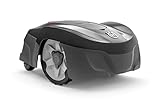
1. Husqvarna Automower 450XH
A premium robotic mower designed for larger properties that demand precision and consistency.
Key Features
- GPS-assisted navigation
- Smartphone app control
- Weather-adaptive cutting
- Handles slopes up to 45%
- Automatic charging
Pros
- Excellent for large lawns
- Highly reliable navigation
- Minimal manual intervention
Cons
- Higher upfront investment
- Requires installation setup
Best for: Homeowners who want fully autonomous mowing for large yards.
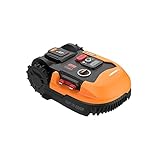
2. Worx Landroid L WR155
A strong mid-range robotic mower with intelligent connectivity and user-friendly controls.
Key Features
- Wi-Fi and app integration
- Cut-to-edge capability
- Customizable mowing schedules
- Rain sensor
Pros
- Affordable for its feature set
- Easy app control
- Compact footprint
Cons
- May require boundary wire installation
- Not ideal for very steep slopes
Best for: Medium-sized lawns needing reliable automation.
3. Yard Force Luba AWD 5000
An advanced RTK GPS robotic mower designed for complex lawns and uneven ground.
Key Features
- No boundary wire required
- All-wheel drive traction
- RTK satellite positioning
- Multi-zone management
Pros
- Excellent for slopes
- No perimeter wire installation
- Precise navigation
Cons
- Premium pricing
- Requires satellite signal stability
Best for: Uneven terrain and properties with multiple zones.
4. RoboUP T1200Pro
A smart robotic mower built for convenience and efficient small-to-medium yard maintenance.
Key Features
- AI obstacle detection
- App-based scheduling
- Automatic return-to-charge
- Multi-zone control
Pros
- Good value
- Smart mapping
- Easy setup
Cons
- Limited for very large lawns
- Less powerful than premium models
Best for: Homeowners entering robotic mowing for the first time.
5. Troy-Bilt TB30B Riding Mower (Electric Start)
Not robotic, but offers remote start convenience and compact riding capability.
Key Features
- Electric push-button start
- 30-inch cutting deck
- Compact rider design
- 6-speed transmission
Pros
- Strong cutting power
- Easier starting process
- Ideal for tight spaces
Cons
- Not autonomous
- Requires operator presence
Best for: Users who want traditional mowing power with easier starting convenience.
Remote Lawn Mower Buying Guide
What to Look for Before Buying
1. Automation Level
Decide whether you want full autonomy (robotic), remote control operation, or simply remote start convenience.
2. Lawn Size Compatibility
Robotic mowers are rated by square footage. Undersizing leads to incomplete coverage.
3. Terrain Capability
Check slope handling percentage. AWD robotic models are best for hills.
4. Connectivity
Wi-Fi, Bluetooth, or app control allows scheduling and monitoring remotely.
5. Waterproof Rating
IP ratings matter if your mower operates in rain conditions.
Common Mistakes to Avoid
- Buying a robotic mower without confirming lawn size limits
- Ignoring slope percentage ratings
- Overlooking boundary wire requirements
- Choosing gas-only models when automation is the goal
Who Should Buy a Remote Lawn Mower?
- Busy homeowners
- Large property owners
- Individuals with mobility limitations
- Tech-focused homeowners seeking automation
- Anyone wanting consistent lawn health without constant labor
FAQ: Best Remote Lawn Mower
Are remote lawn mowers worth it?
Yes. They reduce labor, maintain consistent cutting schedules, and improve lawn health through frequent trimming.
What is the difference between robotic and remote-start mowers?
Robotic mowers operate autonomously. Remote-start mowers still require manual operation but start electronically.
Can robotic lawn mowers handle slopes?
Yes, but slope ratings vary. Premium models can handle up to 45% inclines.
Do robotic mowers work in rain?
Most have IPX4–IPX6 ratings and can operate in light rain, though heavy storms are not recommended.
How long do robotic mower batteries last?
Typically 60–120 minutes per cycle, depending on lawn size and terrain.
Are boundary wires required?
Some models require them, while RTK GPS models do not.
Is installation complicated?
Boundary-wire models require setup, but many brands offer guided installation.
Are remote lawn mowers safe?
Yes. They include lift sensors, obstacle detection, and emergency shutoff systems.
Conclusion
The Best Remote Lawn Mower for you depends on your lawn size, terrain, and desired automation level.
- Choose Husqvarna Automower 450XH for large, fully automated properties.
- Select Worx Landroid L WR155 for smart mid-size mowing.
- Pick Yard Force Luba AWD 5000 for uneven terrain and slope performance.
- Go with RoboUP T1200Pro for affordable automation.
- Opt for Troy-Bilt TB30B if you want remote start convenience with riding comfort.
Upgrading now means less manual effort, better lawn consistency, and long-term time savings. If you’ve been considering smarter lawn care, this is the moment to make the shift.